


U.S. Intermodal Network Under Strain as Shippers Reroute Ahead of Peak Season
By Maria Kalamatas | August 7, 2025
Chicago —
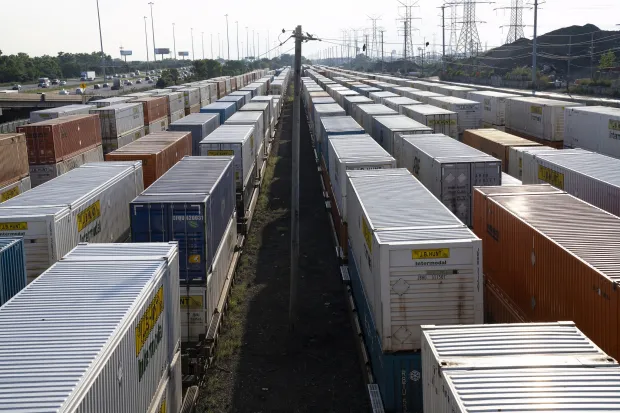
With just weeks before the traditional freight surge of late summer, the American intermodal system is already showing signs of tension. Rail terminals in Kansas City, Chicago and Dallas are reporting rising congestion, and trucking partners are warning that lead times are lengthening — even before volumes reach their seasonal highs.
At the heart of the issue: a subtle but important shift in shipper behavior. Instead of waiting for the end of August, many retailers and manufacturers are advancing their shipping calendars to avoid the uncertainty that plagued last year’s deliveries.
“We’re not taking any chances this year,” said Jeff Morales, supply chain manager for a Midwest-based appliance brand. “If we move product early, we gain control. If we wait, we get squeezed.”
Unexpected early volume
While freight volumes remain below 2021 peaks, rail operators say the pattern is different this time. Flows are more concentrated, with sharp upticks on specific routes — particularly from West Coast ports inland. That’s led to capacity mismatches, with some lanes overbooked while others remain underused.
Intermodal yards, already operating with reduced staff in some locations, are struggling to keep up. Containers are piling up faster than chassis and drayage can clear them, especially in transit hubs like Joliet and Fort Worth.
The trucking challenge
Meanwhile, truckload capacity — particularly short-haul and regional — is tightening as intermodal delays push more shippers to the road. But with diesel costs creeping up again and equipment shortages still unresolved, even road options are becoming more expensive.
“We’re getting requests we used to see in October, not early August,” said Cynthia Tran, director at a Chicago-based carrier. “But the labor and fleet aren’t magically there just because demand is.”
What this means for supply chains
If this early surge holds, logistics planners may face a volatile September. With more cargo hitting the system now, space could be limited later — or worse, unevenly distributed across regions. That makes flexibility a priority, but it also means more pressure on margins.
Some retailers are already adjusting their warehouse schedules and considering weekend unloads to stay ahead.
“We’re back to watching terminals like it’s a weather map,” said Morales. “Every day matters again.”
The post U.S. Intermodal Network Under Strain as Shippers Reroute Ahead of Peak Season appeared first on The Logistic News.
Share this post

Related
Posts

The United States seizes a 7th tanker: pressure mounts on sanctioned ships
New episode in the maritime tug-of-war over sanctions: the United States has seized a seventh tanker suspected of operating in...
China replaces US barrels with Canada: new impact on tanker routes
The geography of oil is shifting, and shipping feels it immediately. According to analyzes reported by BIMCO, Chinese crude oil...
The Port of Klaipėda Signs a Record Year Driven by Containers, LNG, and Ro-Ro
The Lithuanian port of Klaipėda announces a historic performance in 2025: 39 million tons handled, despite a tense geopolitical context...

Ocean Alliance maintains the detour via the Cape, while preparing a “Suez plan”
The Ocean Alliance (CMA CGM, COSCO Shipping, Evergreen, and OOCL) has just unveiled its “Day 10” East-West network, which will...