


Middle East air cargo capacity begins to recover as disruptions persist
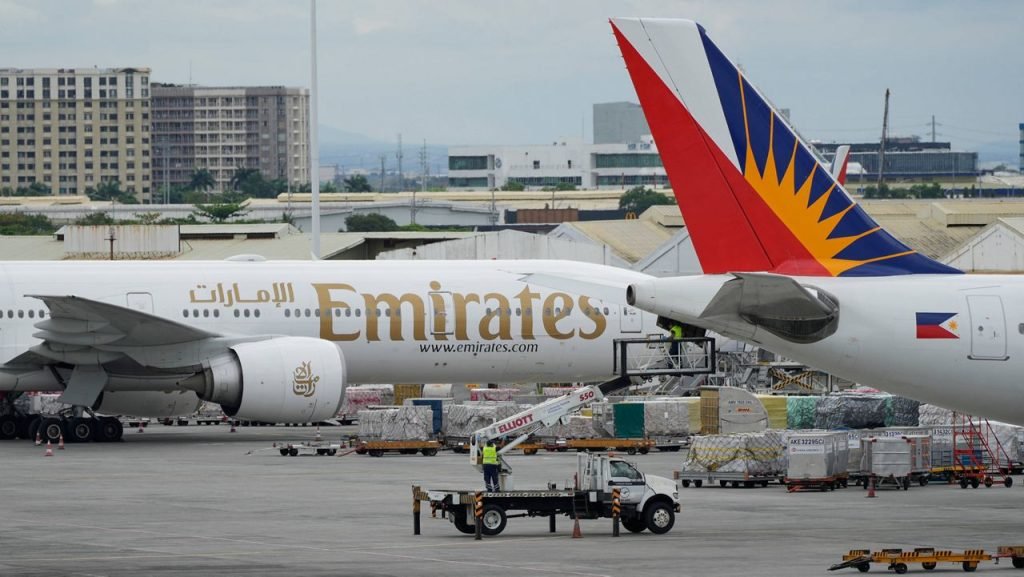
Global air cargo capacity connected to the Middle East remains significantly disrupted following the outbreak of conflict in the region, although early signs suggest the situation may be stabilising.
According to data from aviation analytics firm Rotate, worldwide cargo capacity has declined by roughly 8 percent over the past 24 hours compared with the previous week.
While the drop remains substantial, it represents a partial recovery from the 18 percent decline recorded earlier in the week when the crisis first escalated.
Air cargo routes between the Middle East and Europe have been particularly affected. Outbound capacity from the region to Europe is currently down 52 percent, although this is an improvement from the 61 percent contraction recorded at the beginning of the week.
Meanwhile, routes linking Asia-Pacific and the Middle East continue to experience major disruption, with capacity still approximately 56–57 percent lower than the previous week.
⸻
Airlines gradually resume operations
Some carriers have begun cautiously restoring limited services.
Emirates SkyCargo announced that a restricted number of cargo flights resumed on the evening of 2 March as part of a phased recovery plan.
The airline said it is prioritising the clearance of cargo already within its network before accepting new shipments.
“All other flights remain suspended until further notice,” the carrier said in an operational update.
Bookings for new shipments have been temporarily restricted until operational schedules become clearer.
Several airlines maintain flight suspensions
Other carriers remain more cautious.
Etihad Airways confirmed that its flights would remain suspended until 5 March, although certain repositioning and cargo flights could operate in coordination with UAE authorities.
Meanwhile, Qatar Airways Cargo, the world’s largest cargo airline, has temporarily suspended operations following the closure of Qatari airspace.
Operations will only resume once the Qatar Civil Aviation Authority confirms that the airspace is safe for commercial traffic.
European operators have also taken precautionary measures.
Lufthansa Cargo has suspended flights to several Middle Eastern destinations, including Tel Aviv, Beirut, Amman, Erbil, Dammam and Tehran, until 8 March.
The airline has also temporarily avoided the airspace of multiple countries in the region.
Industry analysts warn that the situation remains highly fluid, with freight forwarders advising customers to expect delays, schedule disruptions and rising freight costs.
The post Middle East air cargo capacity begins to recover as disruptions persist appeared first on The Logistic News.
Share this post

Related
Posts
Middle East air cargo capacity begins to recover as disruptions persist
Global air cargo capacity connected to the Middle East remains significantly disrupted following the outbreak of conflict in the region,...

LGG Connect welcomes ACL Airshop as its 13th member
Air cargo community initiative LGG Connect has announced the addition of ACL Airshop as its newest associate member, strengthening the...

ACL Airshop appoints new CEO to lead next phase of growth
Global air cargo equipment specialist ACL Airshop has appointed James Harris as its new chief executive officer, marking a leadership...

Diesel Prices Surge as Middle East Conflict Shakes Energy Markets
Escalating tensions in the Middle East are sending shockwaves through global energy markets, driving a sharp increase in diesel prices...