


INDUSTRY DISRUPTION: How Digitalization is Transforming Freight Procurement
By Maria Kalamatas
March 4, 2025 – The Logistic News
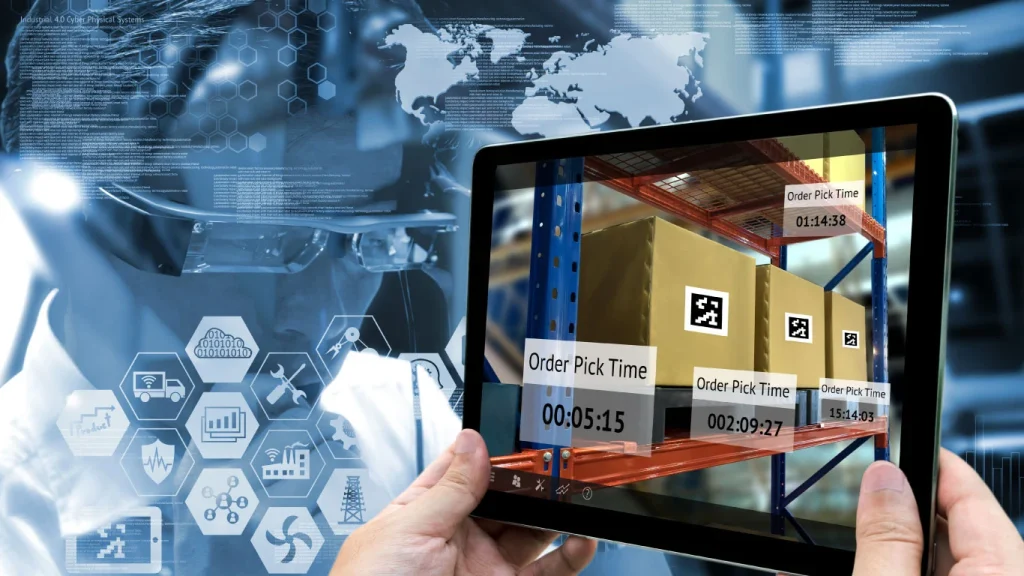
The freight procurement landscape is undergoing a major digital transformation, reshaping how shippers, freight forwarders, and carriers negotiate and manage logistics contracts. As global supply chains become increasingly complex, industry leaders are embracing AI, automation, and blockchain to drive efficiency and cost-effectiveness.
The Digital Shift in Freight Procurement
Traditional freight procurement methods—often dependent on manual negotiations, spreadsheets, and long bidding cycles—are being replaced by real-time digital platforms that:
- Optimize carrier selection with AI-driven analytics.
- Automate contract negotiations, reducing administrative overhead.
- Enhance transparency through blockchain technology, eliminating disputes.
- Provide dynamic pricing models, allowing for better cost predictability.
A logistics expert told The Logistic News: “Digital procurement is no longer just an option—it’s the new standard for businesses looking to streamline operations and stay competitive in an unpredictable market.”
Key Innovations Reshaping Procurement Strategies
 AI-Powered Freight Matching – Real-time data allows companies to find the most cost-effective and efficient shipping solutions.
 Blockchain-Enabled Contracts – Smart contracts improve security and reduce payment disputes between shippers and carriers.
 Predictive Analytics for Rate Forecasting – Companies gain insights into market trends, enabling proactive decision-making.
How Digital Procurement Impacts the Supply Chain
The transition to automated procurement is driving measurable improvements across logistics operations:
- Faster booking and contract processing, reducing delays.
- Lower procurement costs, eliminating inefficiencies in rate negotiations.
- Improved compliance, ensuring regulatory and contractual transparency.
- Enhanced carrier relationships, fostering long-term reliability and performance.
“This digital evolution is pushing the logistics industry into a new era of efficiency and scalability,” said a senior procurement analyst.
Challenges & The Road Ahead
Despite its advantages, digital freight procurement still faces hurdles, including:
- Integration complexities with legacy transportation management systems (TMS).
- Data security concerns, especially with sensitive pricing agreements.
- Adoption resistance from traditional logistics firms hesitant to embrace automation.
What’s Next for Freight Procurement?
Looking ahead, experts predict:
- Greater adoption of AI-driven procurement systems across all logistics sectors.
- Expansion of dynamic freight marketplaces, allowing shippers to make real-time bidding decisions.
- Stronger emphasis on sustainability, as digital procurement aligns with carbon reduction strategies.
As the industry embraces next-generation technology, digital procurement is set to become the foundation of modern logistics operations.
For more **excl
The post INDUSTRY DISRUPTION: How Digitalization is Transforming Freight Procurement appeared first on The Logistic News.
Share this post

Related
Posts
Wamos Air renews long-term ULD partnership with Jettainer
Wamos Air has renewed its long-term partnership with ULD management specialist Jettainer, extending a relationship that began in 2018. The Madrid-based...
Kenya Airways transports first rally cars for 2026 Safari Rally
Kenya Airways has safely flown the first consignment of two high-performance rally cars into Jomo Kenyatta International Airport as preparations...

States sue Trump over 10% global tariff
A coalition of more than 20 U.S. states has filed suit to block the new 10% global tariff imposed by...

CBP says tariff refund process is not ready yet
U.S. Customs and Border Protection has told a federal court that it is not yet able to begin processing refunds...