


India Moves to Protect Its Steelmakers with Five-Year Tariff on Vietnamese Imports
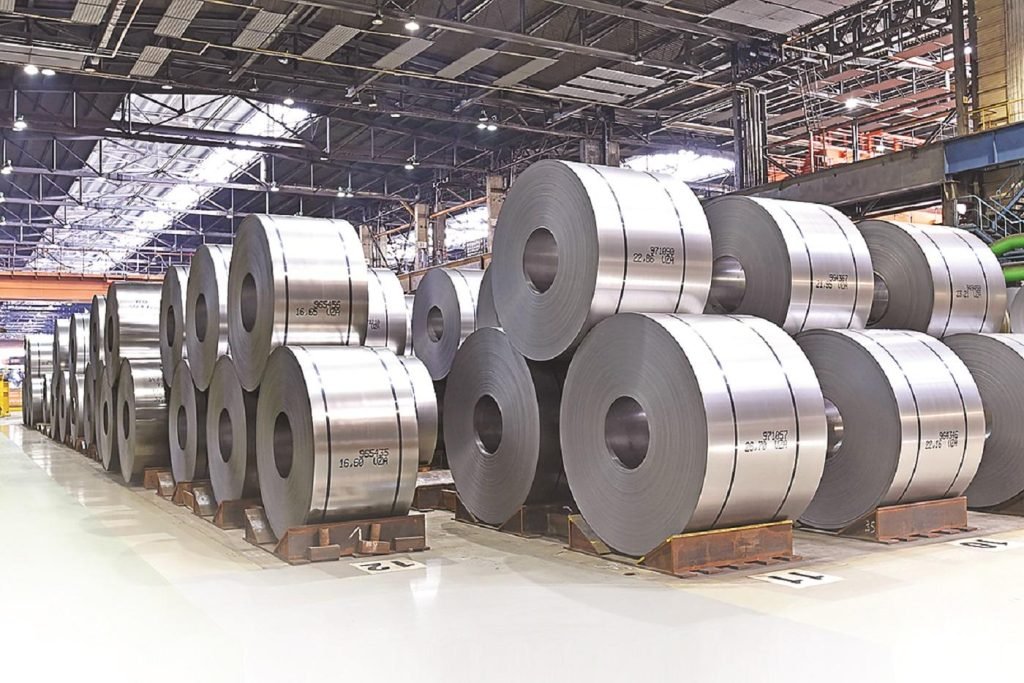
India has decided to draw a line in the sand for its steel industry.
After months of complaints from local mills about underpriced shipments from Vietnam, New Delhi has imposed a five-year anti-dumping duty on several grades of cold-rolled and galvanized steel used in cars, appliances, and construction.
The measure, announced by the Directorate General of Trade Remedies, will remain in force until 2030 unless a new review changes the rate. Officials say the decision was taken after investigators confirmed that imports from Vietnam were landing in India below cost, pushing domestic prices down and squeezing mill margins.
“We’re not shutting out trade,” one senior official said in Delhi. “We’re restoring balance to a market that had tilted too far.”
The timing reflects a delicate moment for India’s industrial policy.
Domestic steelmakers—many of whom borrowed heavily during the last capacity expansion—have struggled with rising energy prices and slower demand from real estate and infrastructure projects. By imposing duties now, the government is trying to shore up profitability without igniting inflation.
Analysts estimate that the move could lift domestic steel prices by around 4 percent over the next quarter, modest enough to protect producers while limiting fallout for end users. Automotive and construction firms, however, warn that higher costs could feed into project delays or smaller margins on export contracts.
Importers are already seeking alternative suppliers in Japan, South Korea, and the Middle East, which could alter established shipping routes along India’s west coast. For freight forwarders and ports, that means a shift in cargo origin points rather than an outright drop in tonnage.
The decision is part of a broader trend: India has quietly become more assertive in defending its industrial base, with similar measures recently applied to aluminum from China and stainless steel from Malaysia. Policymakers see it as a test of resilience—how to stay open to global trade while protecting the foundations of domestic manufacturing.
In a global market where price wars often decide survival, India is signaling that fairness, not volume, will set the terms of its next growth phase.
The post India Moves to Protect Its Steelmakers with Five-Year Tariff on Vietnamese Imports appeared first on The Logistic News.
Share this post

Related
Posts
Maersk forced to reposition fuel supplies as Middle East bunkering collapses
The disruption to oil exports through the Strait of Hormuz is forcing Maersk to take the unusual step of transporting...

Multipurpose vessel sector stable for now despite Middle East conflict
The ongoing conflict in the Middle East has so far had only limited direct impact on the multipurpose vessel (MPV)...

US trucking rates rise as diesel prices surge amid Middle East tensions
The US trucking market is showing early signs of emerging from a freight downturn that has lasted nearly four years....

FMC monitoring carrier surcharges linked to Middle East conflict
The US Federal Maritime Commission (FMC) has announced it is closely monitoring new surcharges introduced by ocean carriers as the...