


Hapag-Lloyd and ZIM, when consolidation becomes a credible option again
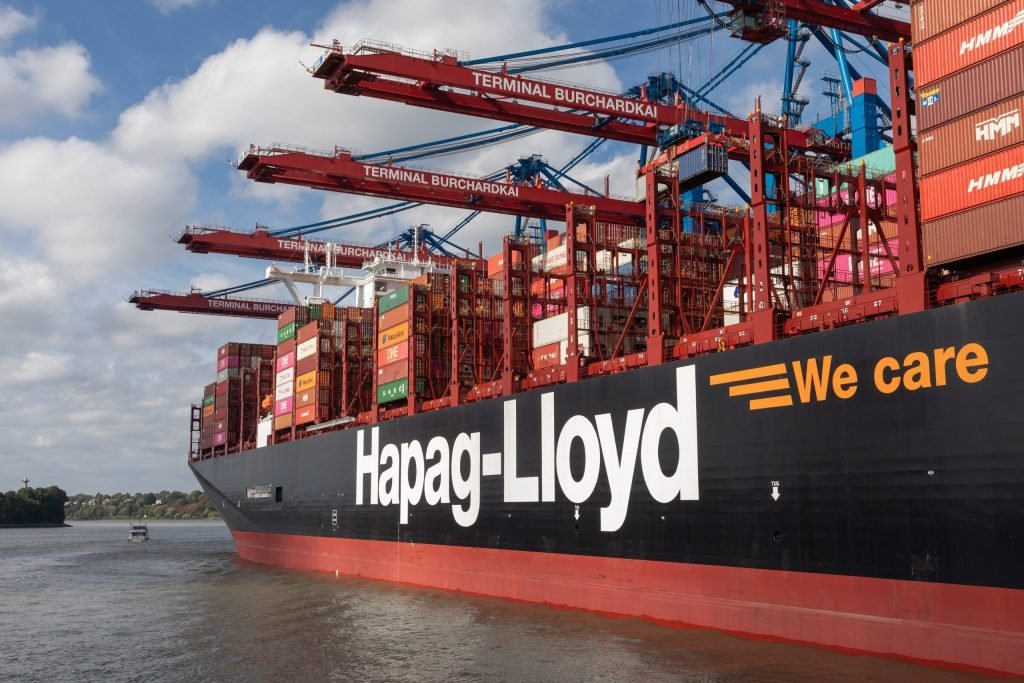
The container shipping market is once again talking about consolidation, and the news surrounding Hapag-Lloyd and ZIM perfectly illustrates this return. The idea of a merger—publicly mentioned in the sector—refers to a fundamental issue: faced with fluctuating demand and unstable rate cycles, some shipowners are seeking a more robust critical size, operational synergies, and better negotiating power.
An operation of this type, if it materializes, is not just a financial announcement. It raises very concrete questions for shippers: how will the offers, networks, allocation priorities, and commercial policies be harmonized? What impacts on certain routes, on geographical coverage, and on partnerships? And above all, what level of stability would this bring — or not — to the reliability of the services?
What makes the subject particularly closely followed is the context: the industry is emerging from a period where post-crisis normalization has brought the fundamentals back to the forefront. Consolidation then becomes a lever of competitiveness, particularly to optimize operating costs, fleet management, and investments (digital, decarbonization, equipment).
For the logistics community, this type of signal is clear: the race for performance is no longer just about the spot price, but about the ability of players to build more coherent, more resilient, and more transparent networks. The coming days will be crucial to understand whether we are facing a simple market phase… or a new structuring episode for global shipping.
The post Hapag-Lloyd and ZIM, when consolidation becomes a credible option again appeared first on The Logistic News.
Share this post

Related
Posts

The rumors of a multi-billion deal in Abu Dhabi are intensifying.
Speculations are escalating: a multi-billion logistics deal in Abu Dhabi is reportedly under increasingly intense discussion, to the point of...

“SaaS as we know it is dead” — AI wants to sell results, not tools
A shocking phrase is circulating in the corridors of supply chain events: “the SaaS as we know it is dead.”...
CLdN ready to take over Samskip’s UK & Ireland services
In the European shortsea sector, an operation is taking shape that could redefine several flows: CLdN is preparing to take...
“Blank sailings” explode: shipowners anticipate a post-Chinese New Year slump
The major East-West shipping lines are preparing to absorb a new wave of capacity adjustments. On the transpacific, transatlantic, and...