


From Blockchain to Buy-In: Why Logistics Tech Still Needs Human Trust
By Maria Kalamatas | May 7, 2025
Rotterdam, NETHERLANDS —
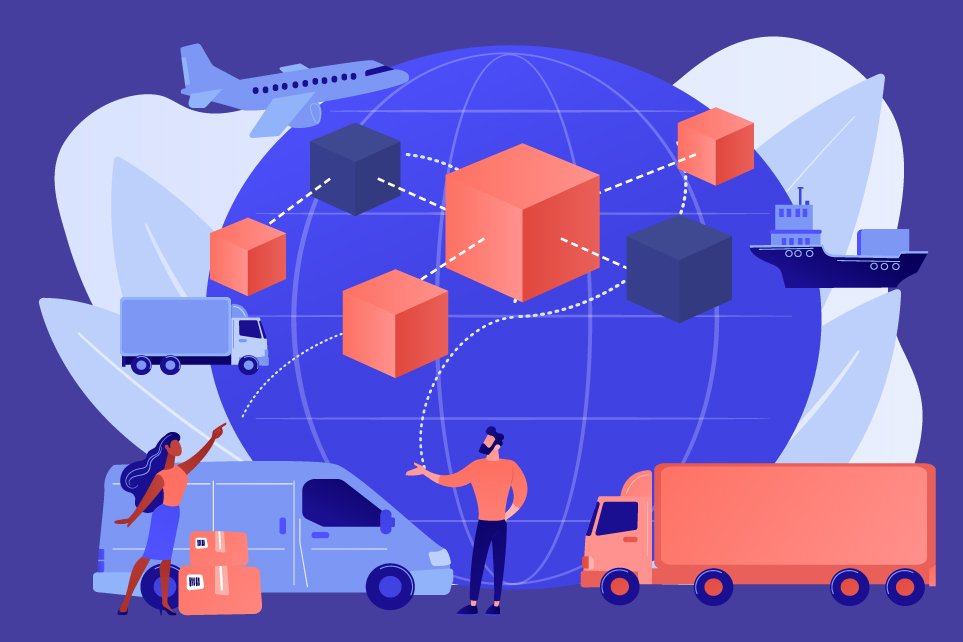
Despite a decade of promises, blockchain technology in logistics is still struggling to move from proof of concept to industry standard—and according to insiders, the problem isn’t the tech. It’s the people.
“We’ve built the systems. The missing link is trust,” said Anja Hoffman, Chief Innovation Officer at PortSec Systems, a Dutch logistics tech firm specializing in blockchain-based container tracking. “Until every party in the chain agrees to use it, the tech can’t deliver full value.”
Pilot projects, stalled at scale
Global ports from Singapore to Antwerp have run blockchain pilots that demonstrated efficiency gains of 10–18% in customs clearance and document processing. Yet adoption remains fragmented.
A 2025 report from the International Federation of Freight Forwarders Associations (FIATA) shows that fewer than 12% of cross-border shipments in Europe currently utilize blockchain-backed documentation.
“Everyone wants visibility, but few want to be the first to expose their operations to shared ledgers,” noted Rajiv Malhotra, Senior Analyst at LogiInsight Research. “Tech won’t solve an ecosystem problem alone.”
Fragmentation vs. integration
Adding to the problem is the lack of standardization. Competing platforms—from IBM-Maersk’s TradeLens (now discontinued) to newer open-source alternatives—have splintered the market. SMEs, in particular, struggle to know which solution to adopt.
“We get weekly offers from tech vendors,” said Lucy Hartman, Director at SwiftFreight UK. “It’s hard to tell which one’s viable, secure, or just a dressed-up PDF system.”
The new frontier: interoperability and UX
Some startups are now focusing less on the core blockchain infrastructure and more on creating front-end interfaces that feel familiar to freight operators—integrating with email, ERP systems, and legacy tools.
“The solution has to feel invisible,” said Hoffman. “We’re not asking operators to learn blockchain—we’re embedding it where they already work.”
A new push: compliance and incentives
Governments may provide the push the industry needs. The European Commission is reviewing proposals to make blockchain compliance documentation a requirement for certain types of dual-use goods by 2027. Meanwhile, the UAE is piloting customs discounts for shippers using verified digital ledgers.
“Once regulation aligns with adoption, we’ll see the needle move,” Malhotra predicted.
But until then, blockchain in logistics remains a paradox: a technology built to create trust, waiting for trust to unlock its potential.
The post From Blockchain to Buy-In: Why Logistics Tech Still Needs Human Trust appeared first on The Logistic News.
Share this post

Related
Posts
Maersk forced to reposition fuel supplies as Middle East bunkering collapses
The disruption to oil exports through the Strait of Hormuz is forcing Maersk to take the unusual step of transporting...

Multipurpose vessel sector stable for now despite Middle East conflict
The ongoing conflict in the Middle East has so far had only limited direct impact on the multipurpose vessel (MPV)...

US trucking rates rise as diesel prices surge amid Middle East tensions
The US trucking market is showing early signs of emerging from a freight downturn that has lasted nearly four years....

FMC monitoring carrier surcharges linked to Middle East conflict
The US Federal Maritime Commission (FMC) has announced it is closely monitoring new surcharges introduced by ocean carriers as the...