


FMC monitoring carrier surcharges linked to Middle East conflict
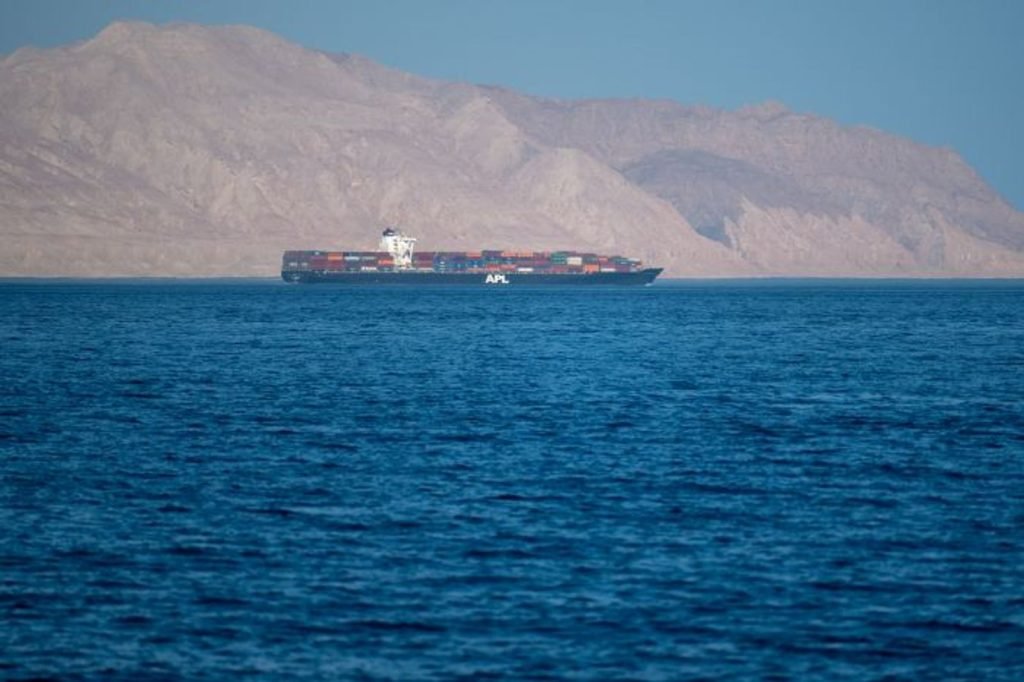
The US Federal Maritime Commission (FMC) has announced it is closely monitoring new surcharges introduced by ocean carriers as the ongoing conflict in the Middle East continues to disrupt global shipping networks.
In a statement issued Wednesday, the agency urged shippers to carefully review their freight invoices for any charges related to the conflict that may not have been formally reviewed by regulators.
The warning comes as container carriers attempt to offset rising bunker fuel costs and operational disruptions, particularly around the Strait of Hormuz, one of the world’s most critical maritime chokepoints.
The FMC reminded shippers that any changes to ocean tariffs must normally be announced at least 30 days before implementation, allowing regulators time to review the proposed adjustments.
The only exception to this rule is when carriers request special permission, which may allow a shorter notice period.
“Ocean common carriers are responsible for ensuring that service contracts and amendments are filed in a timely and accurate manner,” the FMC said.
Carriers began introducing war-related surcharges for cargo moving to and from Persian Gulf states on March 2, shortly after Iran warned that commercial vessels transiting the Strait of Hormuz could be targeted.
Within 24 hours of the announcement, five commercial vessels were reportedly attacked, intensifying concerns about maritime security in the region.
Although surcharges were applied immediately for non-US trades, shipments involving the United States must still respect the 30-day notice requirement.
By early this week, carriers had begun informing customers of emergency fuel surcharges on global trade routes, reflecting the growing impact of the disruption on bunker fuel availability.
The closure of the Strait of Hormuz has also affected roughly one-fifth of the world’s oil supply, creating shortages in a key bunkering region for the shipping industry.
Peter Friedmann, executive director of the Agriculture Transportation Coalition (AgTC), told attendees at the TPM26 conference in Long Beach that regulatory oversight is essential to determine whether the surcharges are justified.
He noted that a similar situation occurred in 2024, when carriers imposed surcharges during attacks on vessels in the Red Sea.
In that case, the FMC allowed one carrier to bypass the notice period — a decision that later drew criticism after economic analysis suggested the surcharge may not have been necessary.
The post FMC monitoring carrier surcharges linked to Middle East conflict appeared first on The Logistic News.
Share this post

Related
Posts

Maersk forced to reposition fuel supplies as Middle East bunkering collapses
The disruption to oil exports through the Strait of Hormuz is forcing Maersk to take the unusual step of transporting...

Multipurpose vessel sector stable for now despite Middle East conflict
The ongoing conflict in the Middle East has so far had only limited direct impact on the multipurpose vessel (MPV)...

US trucking rates rise as diesel prices surge amid Middle East tensions
The US trucking market is showing early signs of emerging from a freight downturn that has lasted nearly four years....

FMC monitoring carrier surcharges linked to Middle East conflict
The US Federal Maritime Commission (FMC) has announced it is closely monitoring new surcharges introduced by ocean carriers as the...