


Air cargo demand remains firm in February as Middle East tensions threaten a sharper rate spike
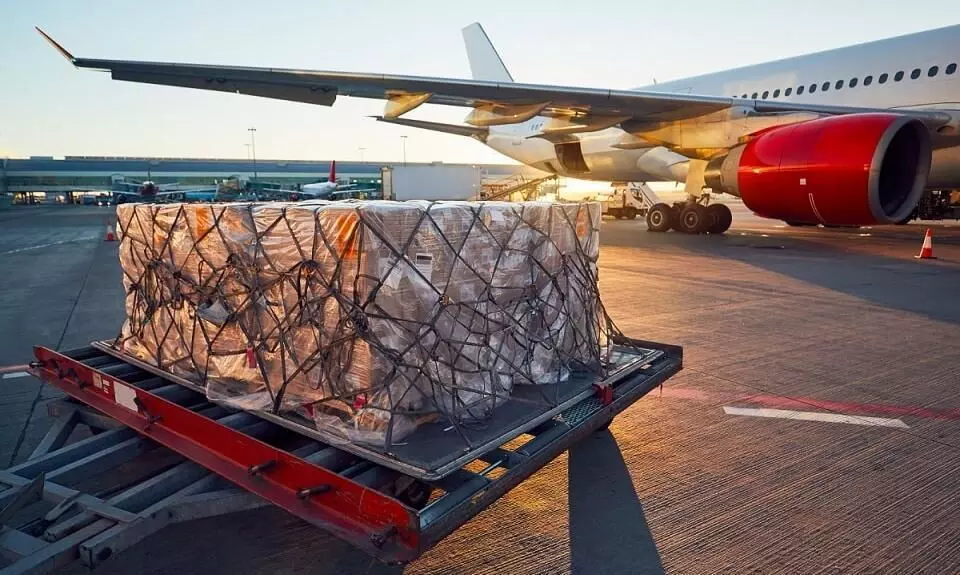
Air cargo demand extended its strong start to the year in February, although the market is facing growing uncertainty as geopolitical tensions in the Middle East threaten to drive rates sharply higher on affected routes.
According to the latest figures from Xeneta, global air cargo demand increased by 6% year on year in February, following 7% growth in January. Capacity grew more slowly at 4%, allowing the dynamic load factor to rise by two percentage points to 62%.
Spot rates also moved higher, with the average market price increasing 5% year on year to $2.58 per kilogram. Xeneta said this marked the first monthly rate increase since May 2025.
The data provider attributed the rise in both demand and rates partly to the timing of the Lunar New Year in Asia and the continued weakness of the US dollar compared with the same period a year earlier.
Despite the positive start, most market observers still expect a moderation in demand growth over the full year, with general forecasts suggesting air cargo demand could rise by around 2% to 3% in 2026.
Trade lane performance in February was mixed. Europe-to-North America spot rates rose 21% year on year, while Northeast Asia-to-North America rates increased by 10%, helped by continued semiconductor demand.
Xeneta said tariff-related pressure weakened China-to-US air cargo demand, while China-to-Europe volumes remained relatively stable. At the same time, neither corridor experienced the usual pre-holiday cargo surge typically seen at the start of the year.
According to the company, that pattern may offer an early signal for how the rest of 2026 could unfold. Some Asia-based airlines with strong exposure to e-commerce remain optimistic, while others are adopting a more cautious wait-and-see approach.
The biggest immediate concern is the impact of the Middle East crisis. Xeneta said military action involving Iran, the United States and Israel removed 12% of global air cargo capacity from the market. Temporary airspace restrictions around major hubs such as Doha, Dubai and Abu Dhabi also created an immediate disruption on the Asia-Europe corridor.
If the conflict drags on, Xeneta warned that rates on the most affected lanes could double or even triple. The company said the disruption is not only affecting schedules and available capacity, but could also push airline operating costs higher if crude oil prices continue to rise and jet fuel becomes more expensive.
Xeneta added that a short-lived conflict would allow markets to normalise more quickly and reduce fears of a sustained oil-price spike. But if disruption lasts several weeks, the consequences could extend far beyond the cargo sector.
The company also warned that a wider escalation could trigger a global energy shock and stagflationary pressure similar to that seen in the 1970s, with rising oil prices, higher logistics costs and increased pressure on retail and trade.
To adapt, airlines may need to operate more direct Asia-Europe flights or use technical stops in Central Asia, depending on traffic rights, airspace access and operational constraints. Xeneta also noted that because container shipping is once again routing around southern Africa to avoid the Middle East, air cargo may receive an additional boost once normal flight operations resume.
Looking ahead, Xeneta chief airfreight officer Niall van de Wouw said that if February’s data were viewed in isolation, the market would appear to be in a healthy position. But current geopolitical developments have raised the stakes considerably.
He said the airfreight industry has repeatedly shown an ability to adapt and find solutions during major disruption, although those solutions inevitably come with higher logistics costs for cargo owners. In the coming weeks, he said, the sector’s resilience and fragility are likely to be visible at the same time.
The post Air cargo demand remains firm in February as Middle East tensions threaten a sharper rate spike appeared first on The Logistic News.
Share this post

Related
Posts
Air cargo demand remains firm in February as Middle East tensions threaten a sharper rate spike
Air cargo demand extended its strong start to the year in February, although the market is facing growing uncertainty as...

TIACA unveils two education platforms to connect air cargo expertise with future talent
TIACA is preparing to launch two new educational initiatives in the second quarter of the year as part of a...
Lufthansa Cargo posts stronger 2025 results as Europe and Asia demand supports growth
Lufthansa Cargo delivered solid financial and operational growth in 2025, supported by stable market demand and particularly strong performance in...

SpeedX names Tim Lock as chief product officer to strengthen last-mile growth strategy
Last-mile delivery specialist SpeedX has appointed Tim Lock as chief product officer as the company continues to build out its...