


AI and geopolitical volatility redefine the future of air cargo
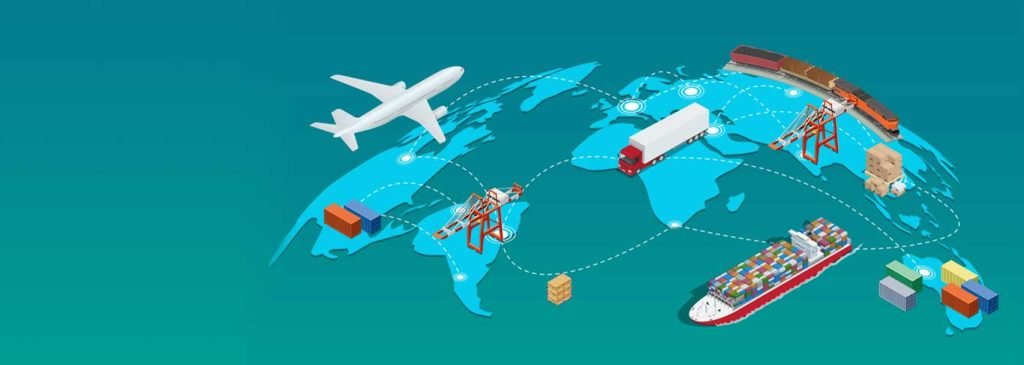
Geopolitical volatility and technological disruption are reshaping the air cargo industry, according to industry leaders speaking at the World Cargo Symposium.
During a fireside discussion, LATAM Cargo CEO Andrés Bianchi and IATA Director General Willie Walsh highlighted the growing complexity of global operations, particularly in the context of Middle Eastern tensions and shifting trade flows.
Both executives pointed to the strategic importance of Middle Eastern hubs, noting that despite significant disruption, the industry has demonstrated remarkable resilience in maintaining the movement of goods and passengers. Global cargo capacity has declined by more than 20% due to regional constraints, yet operations have continued.
Walsh emphasised that the industry’s greatest transformation over the past two decades has been its increased agility. Airlines are now able to respond more quickly to changing market conditions, supported by improved tools and data capabilities.
He also highlighted how US tariffs in 2025 contributed to a reshaping of trade lanes, affecting routing and timing rather than reducing overall trade volumes.
Reflecting on the COVID-19 pandemic, Walsh described it as a defining moment for air cargo. With passenger flights grounded in 2020, cargo operations became a critical lifeline, at one point accounting for 42% of total airline revenue. Today, cargo still represents around 15% of industry revenue, remaining above pre-pandemic levels.
Artificial intelligence is expected to play a major role in shaping the sector’s future. As demand for high-value technology components such as memory chips increases, air cargo volumes are likely to grow. At the same time, the industry continues to rely heavily on paper-based processes, highlighting a gap between technological potential and operational reality.
Looking ahead, Walsh pointed to the emergence of agentic AI as a major opportunity. With vast amounts of data generated by airlines, AI could significantly enhance analytics and decision-making capabilities.
On workforce implications, Walsh stressed that skilled professionals will remain essential. Rather than replacing jobs, AI is expected to shift roles toward more value-added, customer-focused functions.
The post AI and geopolitical volatility redefine the future of air cargo appeared first on The Logistic News.
Share this post

Related
Posts

US launches $500m programme to boost critical minerals supply for batteries
The US Department of Energy has announced a new funding programme of up to $500 million aimed at expanding domestic...
Elon Musk unveils $25bn chip manufacturing vision with Texas “Terafab” project
Elon Musk has announced plans to build a large-scale semiconductor manufacturing complex in Austin, Texas, in a move aimed at...
Diesel prices surge past $5.38 as Iran conflict disrupts global oil flows
Diesel prices in the United States have climbed sharply above $5 per gallon, reflecting growing disruption in global oil flows...

Dollar General cuts 1,500 SKUs to streamline supply chain and boost availability
Dollar General is accelerating its push toward a leaner, more efficient supply chain, having removed more than 1,500 stock keeping...