


STRAIT OF HORMUZ DISRUPTION PUTS MANUFACTURERS ON ALERT FOR HIGHER COSTS
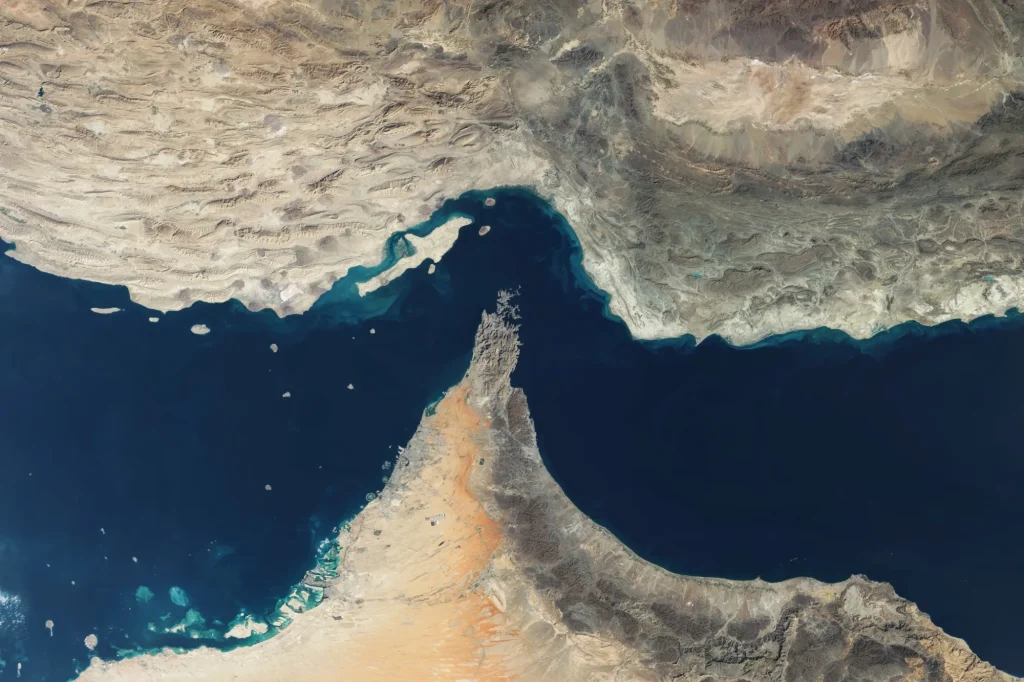
Manufacturers are bracing for broader cost inflation as the ongoing disruption around the Strait of Hormuz pushes up energy, transport and raw material prices.
The strategic waterway remains one of the world’s most important transit routes for oil and other commodities, and its closure has already caused major supply disruptions. Companies are being forced to reroute cargo, cope with longer lead times and reassess the cost implications of a prolonged crisis.
According to consultancy Roland Berger, around 30% of global seaborne oil trade and 20% of liquefied natural gas trade have been disrupted since the Iran conflict began. Exports of fertiliser inputs, petrochemicals and materials such as aluminium have also been affected.
The price effects are already visible. Roland Berger estimates that crude oil has risen nearly 47% this month, polypropylene is up 24% and aluminium has gained 10%. Industries expected to feel the pressure most acutely include automotive, chemicals, machinery, food and beverage, and electronics.
The impact is now beginning to reach manufacturers more than three weeks after US-Israeli strikes on Iran started. Asia has been hit particularly hard by export outages, but the ripple effects are spreading across global supply chains.
As transportation costs climb, companies are also preparing for higher input costs. Petrochemical disruption feeds directly into plastics pricing, which in turn affects a wide range of goods and packaging applications.
Nishkam Batta, founder and chief executive of AI consultancy GrayCyan, said most producers are already thinking carefully about pricing. Even small increases in tertiary goods, he noted, can ultimately filter through to manufacturing companies, which may absorb the pressure for a while before passing it on.
The cost escalation is not limited to plastics. The Atlantic Council has also warned that higher jet fuel prices are already pushing airline costs upward and that more expensive food packaging, medical supplies and a wide range of manufactured products are likely to follow because of their dependence on petrochemicals.
China’s importance in the market adds another layer of concern. Argus Media has previously identified China as one of the world’s largest polypropylene producers, with 28% of global capacity in 2015 and further expansion since then. The Atlantic Council has warned that if Beijing were to impose export controls on some petrochemical products, inflationary pressure in the US could intensify further.
Beyond raw materials, the crisis is also causing longer transit times, higher freight bills and more congestion throughout logistics networks, according to Roland Berger. In the US, average gasoline prices are now close to $4 per gallon, up around $1 from a month earlier, based on AAA data.
Roland Berger has advised companies to prepare for prolonged disruption by identifying supply chain vulnerabilities, securing critical inputs and pre-booking container space. Businesses are also being encouraged to diversify suppliers and reassess the size of their just-in-time buffers.
Batta noted that some international companies, particularly those in countries such as India and China, are still able to manage shipments out of Hormuz through their relationships with Iran. But for much of the rest of the world, he said, the mood remains cautious and uncertain.
If the conflict continues for months, manufacturers are likely to move from watchful waiting to more active mitigation strategies. For now, many are still holding their positions and monitoring developments closely.
The post STRAIT OF HORMUZ DISRUPTION PUTS MANUFACTURERS ON ALERT FOR HIGHER COSTS appeared first on The Logistic News.
Share this post

Related
Posts
USPS MOVES AHEAD WITH TEMPORARY 8% RATE INCREASE ON SELECT SERVICES
The US Postal Service is set to introduce a temporary 8% rate increase on several domestic parcel services as it...
CHINA OPENS TWO INVESTIGATIONS INTO US TRADE PRACTICES
China has launched two investigations into US trade practices, opening a new front in the tense economic relationship between the...

US AND JAPAN STEP UP CRITICAL MINERALS COOPERATION
The United States and Japan have agreed on a new action plan to deepen cooperation on critical mineral supply chains,...

EU PARLIAMENT BACKS CORE TERMS OF US TRADE DEAL
The European Parliament has cleared an important legislative hurdle for the implementation of a framework trade agreement reached with the...