


Maersk forced to reposition fuel supplies as Middle East bunkering collapses
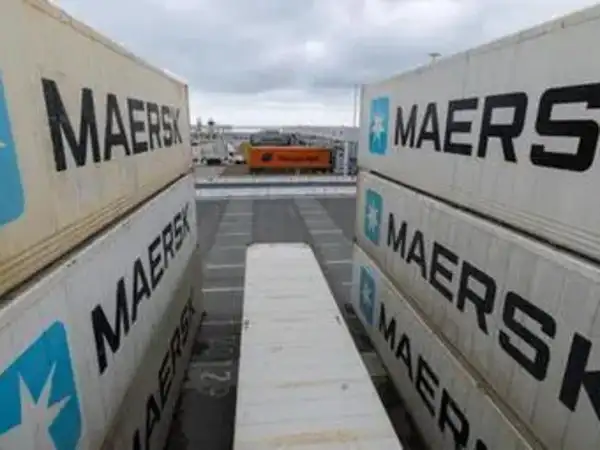
The disruption to oil exports through the Strait of Hormuz is forcing Maersk to take the unusual step of transporting fuel from Europe and the United States to Asia in order to keep its vessels operating.
Karsten Kildahl, the carrier’s chief commercial officer, said several of Maersk’s bunker suppliers across the Middle East and Asia have been unable to refuel vessels in recent days.
“We’ve had to start moving oil around ourselves because we don’t have enough supplies where we need them,” Kildahl said.
Nearly half of the bunker fuel used in Asia normally comes from the Gulf region, meaning the disruption is having a major impact on vessel operations.
To compensate, Maersk is loading vessels departing Europe and the United States with as much fuel as possible, before transferring it to other ships once they reach Asian waters.
Strait of Hormuz disruption
The Strait of Hormuz normally handles around 20 million barrels of oil per day, representing roughly one-fifth of the world’s crude and refined petroleum exports.
However, the flow of oil slowed dramatically after US and Israeli air strikes against Iran on February 28, triggering a sharp escalation in regional tensions.
Since the conflict began, more than 10 commercial vessels have reportedly been attacked, while soaring war-risk insurance premiums have discouraged many ships — including oil tankers — from entering the area.
As a result, key bunkering hubs in the region are facing shortages.
For example, the port of Salalah in Oman, one of Maersk’s main refueling locations, has recently been unable to supply bunker fuel.
“Salalah is one of our main bunker ports in the Gulf, but we haven’t been able to bunker there for the past two days,” Kildahl said.
“The main concern right now is how to safeguard the supply of oil.”
Rising costs and emergency surcharges
The disruption is already pushing bunker prices sharply higher.
S&P Global Energy assessed the price of 0.5% sulfur marine fuel in Singapore at $1,050 per metric ton, compared with $519 per metric ton before the conflict began.
In response, major container carriers including Maersk, Hapag-Lloyd, CMA CGM and MSC have introduced emergency bunker surcharges.
Maersk alone has announced a global fuel surcharge of $400 per FEU.
According to Kildahl, moving fuel between regions and implementing ship-to-ship transfers is creating additional costs on top of rising fuel prices.
Meanwhile congestion is beginning to build at alternative ports across the Middle East as carriers attempt to discharge cargo that was already en route when booking suspensions were announced.
Maersk estimates that around 40,000 TEUs move in and out of the Persian Gulf each week, making the disruption particularly significant.
To avoid declaring “end-of-voyage” — a situation where carriers can no longer fulfill a bill of lading — Maersk is offering customers alternative solutions.
These include temporary storage, returning cargo to its port of origin, or delivering shipments to another destination for onward transport by land.
“We don’t think it’s a great solution for customers to receive an end-of-voyage declaration,” Kildahl said.
“But if customers don’t accept the alternatives, we may eventually have no choice.”
The post Maersk forced to reposition fuel supplies as Middle East bunkering collapses appeared first on The Logistic News.
Share this post

Related
Posts
Maersk forced to reposition fuel supplies as Middle East bunkering collapses
The disruption to oil exports through the Strait of Hormuz is forcing Maersk to take the unusual step of transporting...

Multipurpose vessel sector stable for now despite Middle East conflict
The ongoing conflict in the Middle East has so far had only limited direct impact on the multipurpose vessel (MPV)...

US trucking rates rise as diesel prices surge amid Middle East tensions
The US trucking market is showing early signs of emerging from a freight downturn that has lasted nearly four years....

FMC monitoring carrier surcharges linked to Middle East conflict
The US Federal Maritime Commission (FMC) has announced it is closely monitoring new surcharges introduced by ocean carriers as the...