


Shore connections + LNG ships: a technical challenge around “boil-off gas”
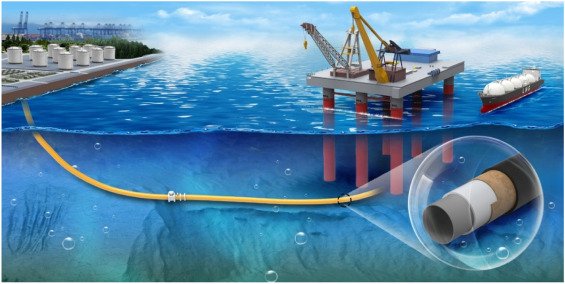
Two priorities of maritime decarbonization can come into tension when a ship arrives at port: on one hand, shore power (cold ironing / OPS) to shut down engines and reduce local emissions; on the other hand, the use of LNG as fuel. The point of friction? The management of “boil-off gas” (BOG), this gas that naturally evaporates in LNG tanks and must be controlled to prevent any pressure buildup.
A technical report highlights an operational risk: when a ship docks, it reduces or stops certain systems that usually consume this gas (engines, generators). Result: BOG can accumulate faster, especially on certain tank configurations that are less pressure-tolerant. Some technologies, such as dual-fuel boilers, allow this gas to be burned even at the dock, but this can also result in inefficient energy use (more gas burned than necessary).
The most problematic scenario remains the ventilation of BOG, to be avoided as much as possible: methane has a very high climate impact, and this option is only considered in emergency situations. The recommendations therefore emphasize the sharing of operational experience, the optimization of dock procedures, and a pragmatic regulatory approach for older ships, without creating a competitive advantage for those who cannot fully comply.
The post Shore connections + LNG ships: a technical challenge around “boil-off gas” appeared first on The Logistic News.
Share this post

Related
Posts
Air cargo demand remains firm in February as Middle East tensions threaten a sharper rate spike
Air cargo demand extended its strong start to the year in February, although the market is facing growing uncertainty as...

TIACA unveils two education platforms to connect air cargo expertise with future talent
TIACA is preparing to launch two new educational initiatives in the second quarter of the year as part of a...
Lufthansa Cargo posts stronger 2025 results as Europe and Asia demand supports growth
Lufthansa Cargo delivered solid financial and operational growth in 2025, supported by stable market demand and particularly strong performance in...

SpeedX names Tim Lock as chief product officer to strengthen last-mile growth strategy
Last-mile delivery specialist SpeedX has appointed Tim Lock as chief product officer as the company continues to build out its...