


European Rail Freight Gathers Pace as Transit Times Improve in Poland
WARSAW — July 4, 2025
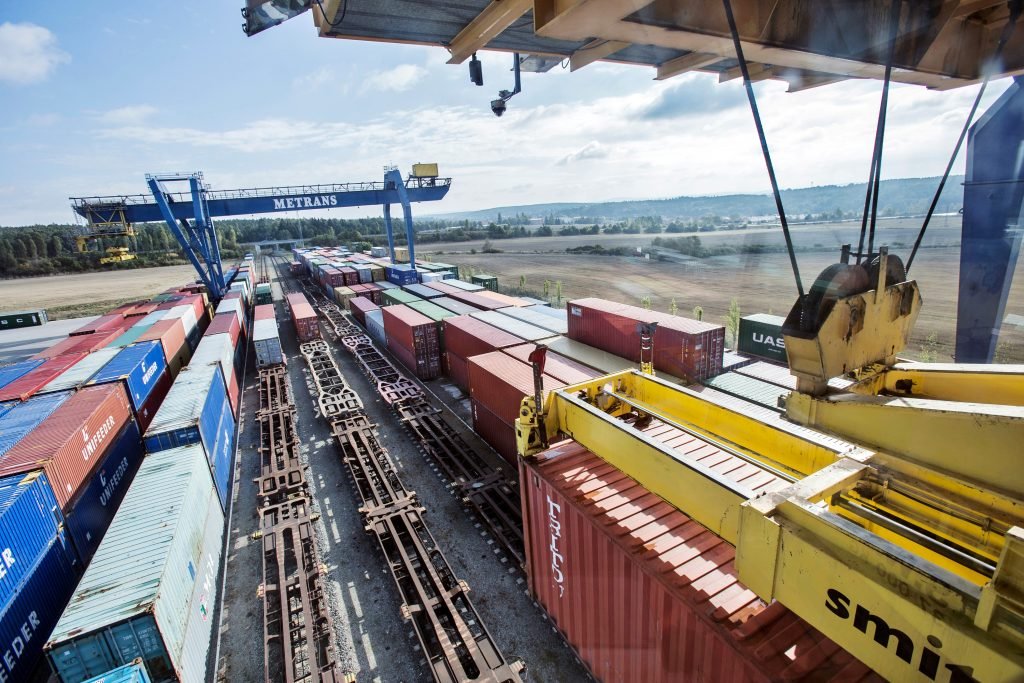
Freight rail in Poland is accelerating, signaling a welcome turnaround for European inland transport. New data from PKP PLK shows that several key routes are now two to two-and-a-half hours faster than a year ago — a rare boost in cross-border logistics.
“We’re seeing real gains in efficiency,” said Aneta Kowalczyk, head of operations at PKP PLK. “Consistent transit times help shippers commit to rail as their backbone.”
Why It Matters
-
Faster transit means better predictability and lower costs for high-volume shippers.
-
It strengthens East–West rail corridors feeding Germany, Czech Republic, and Slovakia.
-
Freight trains are now closer to road transit times — keeping rail competitive for container flows.
Growth in Poland echoes calls from Brussels. The European rail association (CER) last week urged for deeper multi-country cooperation and integration between rail and ports to build a truly multimodal network.
This momentum builds on recent EU investments to support Ukraine gauge standardisation and permit smoother freight across borders — showing rail’s growing strategic role in European logistics.
The post European Rail Freight Gathers Pace as Transit Times Improve in Poland appeared first on The Logistic News.
Share this post

Related
Posts

U.S. court rejects NLRB’s Cemex unionization rule
A U.S. federal appeals court has rejected a controversial labor policy known as the Cemex standard, dealing a significant setback...

FMC monitoring war impact on ocean freight rates
The U.S. Federal Maritime Commission (FMC) has confirmed it is closely monitoring the impact of the Iran conflict on ocean...

Ethiopian Cargo joins Freightos digital booking platform
Ethiopian Cargo & Logistics Services is preparing to join the WebCargo by Freightos digital booking platform at the end of...

EFW signs A330 freighter conversion deal with APAL
Elbe Flugzeugwerke has signed a deal with Hong Kong-based lessor Asia Pacific Aviation Leasing Group for the conversion of an...